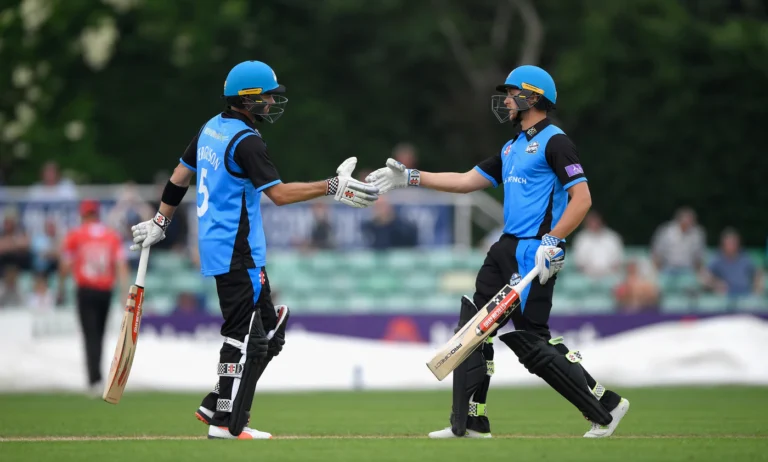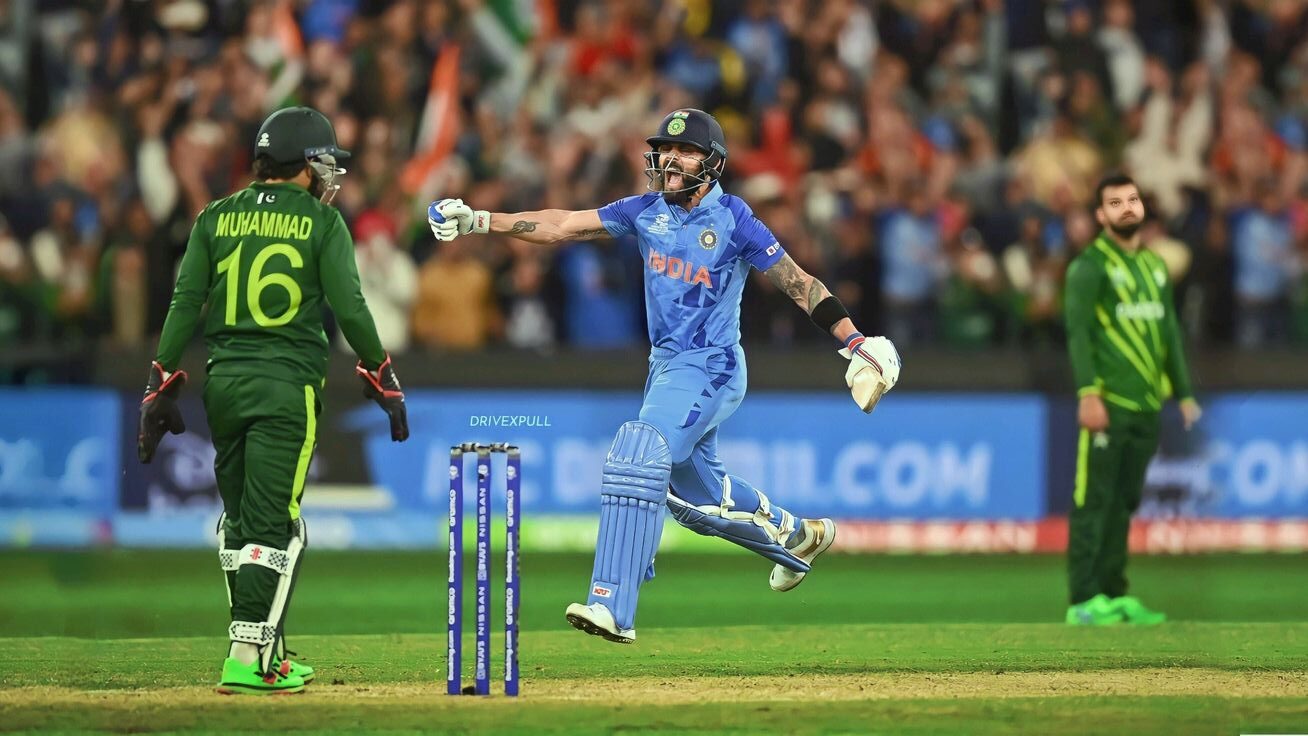
When left‑arm spinner Asif Afridi finally collected his maiden Test wicket in Rawalpindi, there were smiles and handshakes all around from teammates and coaches who had watched his perseverance over the years. Afridi, 38, made his first‑class debut in 2009 and spent most of his career on the fringes of Pakistan’s domestic scene. In October 2025 he was handed a Test cap – becoming the second‑oldest debutant for Pakistan – largely because of the spinning conditions in Lahore and Rawalpindi. He bowled 90 deliveries of nagging accuracy before trapping South African opener Tony de Zorzi lbw, then dismissed Dewald Brevis in the next over. Teammates mobbed Afridi as he rejoiced in what he called “the best moment of my cricketing life.”
Afridi’s wickets were not simply a feel‑good story; they swung momentum in the second Test. South Africa had looked relatively comfortable at 185 for 2 in reply to Pakistan’s 333, with de Zorzi and Tristan Stubbs forging a gritty partnership. Afridi’s breakthroughs came after 74 dot balls and slowed the scoring rate. He exploited a rough patch outside the left‑handers’ off stump, drew de Zorzi forward and had him struck on the pad. Two balls later he lured Brevis into an ambitious drive to slip. Pakistan captain Shan Masood lauded Afridi’s “control and calmness,” noting that the veteran’s economy rate was nearly half that of any other bowler in the innings.
The road to Afridi’s Test debut was arduous. Born in the remote area of Khyber Pakhtunkhwa, he toiled in domestic cricket without the support structures available to metropolitan players. He played league cricket in England to improve his craft and worked part‑time jobs between seasons. His chance came when Pakistan’s selectors sought a specialist slow left‑arm option after injuries to Nauman Ali and Mohammed Nawaz. Afridi impressed in camp by consistently landing the ball on a length and imparting overspin. When his moment arrived in Lahore, he bowled 20 consecutive dot balls without reward but never looked frustrated. His persistence finally paid off on Day 2 in Rawalpindi and the cheers reverberated across the stadium. Beyond the emotional narrative, Afridi’s performance reflects Pakistan’s ongoing search for reliable slow bowlers to support their attack on spinning tracks. The team has often relied heavily on Yasir Shah or part‑timers like Agha Salman. Afridi’s control allowed captain Masood to rotate the fast bowlers and gave Pakistan a semblance of balance. His story has inspired younger players about the virtue of patience. “Age should never define your aspirations,” Afridi said in the post‑day interview. His Test debut might be late, but it underscores that hard work and consistency at domestic level can still open doors in Pakistan cricket.
About the Author