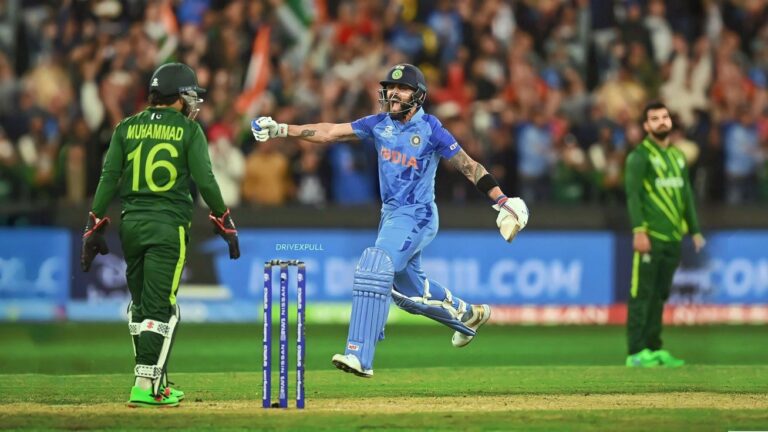
In a surprise reshuffle that signals a new direction for Pakistan’s white‑ball cricket, the Pakistan Cricket Board (PCB) removed Mohammad Rizwan as ODI captain and installed left‑arm fast bowler Shaheen Shah Afridi in his place. The decision followed a meeting between interim selector Mohammad Hafeez and white‑ball coach Mike Hesson during the Rawalpindi Test. While no official reason was given, sources within the PCB indicated that the board was dissatisfied with Rizwan’s tactical acumen and his 50‑over record – he had lost eight of his last twelve ODIs as captain. Afridi, who led Lahore Qalandars to back‑to‑back PSL titles and remains Pakistan’s leading ODI wicket‑taker this year, will begin his ODI captaincy with the upcoming series against South Africa.
The decision comes amid broader upheaval in Pakistan cricket. Earlier in the year, Afridi briefly served as T20I captain before being replaced by Babar Azam after poor results. Now he finds himself back in a leadership role. His appointment is seen by some as a gamble given his workload across formats and recent knee issues. Supporters argue that Afridi’s aggressive style suits ODI cricket; he is known for attacking field settings and incisive new‑ball spells. Critics caution that fast bowlers rarely succeed as long‑term captains due to the physical strain. Afridi said he was honoured by the trust placed in him and vowed to “play fearless cricket”. Former captain Misbah‑ul‑Haq urged stability, noting that constant leadership changes create insecurity among players.
Rizwan’s demotion has provoked debate. The wicketkeeper‑batter is one of Pakistan’s most consistent performers, averaging over 45 in ODIs, and he led the team to the semi‑final of the 2023 World Cup. However, insiders suggest that his conservative tactics in run‑chases and reluctance to rotate bowlers were viewed unfavourably by the board. Rizwan himself posted on social media, thanking fans for their support and pledging to serve Pakistan in any capacity. Analysts point out that Pakistan’s frequent chopping and changing of captains – from Sarfaraz Ahmed to Babar Azam to Rizwan and now to Afridi – reflects deeper structural issues. The PCB has yet to articulate a long‑term vision for white‑ball cricket and has often reacted to short‑term failures.
Afridi’s first assignment will be crucial. Pakistan host South Africa in a three‑match ODI series at home, facing a side that boasts a potent pace attack and powerful batting line‑up. Afridi will need to manage his own workload carefully; he has been prone to knee injuries that have sidelined him for spells. He will also have to work closely with senior players like Babar Azam and Fakhar Zaman to maintain dressing‑room harmony. If successful, this appointment could usher in a new era where aggressive fast bowlers set the tone in Pakistan’s limited‑overs cricket. But if the results do not improve, the scrutiny on PCB decision‑making will intensify.
About the Author